
If you’re over 40 and still training consistently, you’ve probably noticed something.
You can still push yourself in the gym.
You can still challenge yourself on the bike, on the trail, or on the ice.
But recovering from those efforts isn’t quite as effortless as it used to be.
The workout itself may feel great.
It’s the day—or sometimes two days—after that reminds you you’re not 25 anymore.
The good news?
This doesn’t mean you need to stop training hard.
It simply means recovery deserves a bigger role in your overall fitness strategy.
Recovery Is Where Progress Happens
Many people think results come from training.
In reality, training is only the stimulus.
The actual adaptation happens afterward.
Muscle tissue repairs.
Energy stores are replenished.
The nervous system recovers.
The body becomes stronger and more resilient.
Without adequate recovery, that process becomes less efficient.
You don’t get fitter during the workout.
You get fitter from recovering from the workout.
Why Recovery Changes After 40
As we age, several physiological changes can affect our ability to recover.
Protein synthesis becomes slightly less efficient.
Sleep quality often declines.
Life stress tends to increase due to work, family responsibilities, and financial commitments.
Many adults are also carrying decades of accumulated training, sports, and physical wear and tear.
None of these changes are dramatic on their own.
But together, they can increase the amount of recovery required between hard training sessions.
This is one reason why many active adults find themselves feeling more fatigued despite training the same way they did in their twenties.
More Training Isn’t Always Better
When progress slows, many people assume they need to train more.
Often, the opposite is true.
The body only has a limited capacity to adapt to stress.
Training is stress.
Work is stress.
Family responsibilities are stress.
Poor sleep is stress.
When total stress exceeds your ability to recover, performance often stagnates.
Sometimes the fastest way forward isn’t adding more work.
It’s improving recovery.
The Four Recovery Habits That Matter Most
The fitness industry loves recovery gadgets, ice baths, massage guns, and expensive recovery technologies.
While some of these tools can be useful, most people would benefit far more from mastering the basics.
1. Prioritize Sleep
If recovery had a king, it would be sleep.
During sleep, the body performs much of its repair and recovery work.
For most adults, aiming for 7 to 9 hours of quality sleep per night is one of the most effective things they can do for their health and performance.
No supplement, recovery tool, or training program can fully compensate for chronic sleep deprivation.
2. Eat Enough Protein
Recovery requires building blocks.
Protein provides the amino acids necessary for muscle repair and adaptation.
For active adults, a daily target of approximately 0.7 to 1.0 grams of protein per pound of goal bodyweight remains a practical guideline.
Consistent protein intake becomes even more important as we age.
3. Stay Hydrated
Even mild dehydration can negatively impact energy levels, recovery, and physical performance.
A simple target is approximately half your bodyweight in ounces of water per day, adjusting upward when training volume or sweating increases.
Hydration may not be exciting, but it works.
4. Manage Training Intensity
Not every workout needs to be an all-out effort.
Many successful athletes follow a simple rule:
Train hard when it’s time to train hard.
Train easy when it’s time to train easy.
Recovery improves when intensity is strategically managed instead of maximized every day.
Signs You May Need More Recovery
Many active adults don’t realize they’re under-recovered until performance begins to suffer.
Some common signs include:
· Persistent soreness
· Reduced motivation to train
· Decreased performance
· Poor sleep quality
· Increased fatigue
· More frequent aches and pains
· Feeling “run down” despite training consistently
Experiencing these occasionally is normal.
Experiencing several of them for weeks at a time may indicate that your recovery strategy needs attention.
Where Supplements Can Help
Recovery always starts with sleep, nutrition, hydration, and intelligent training.
However, certain supplements may help support recovery when those foundations are already in place.
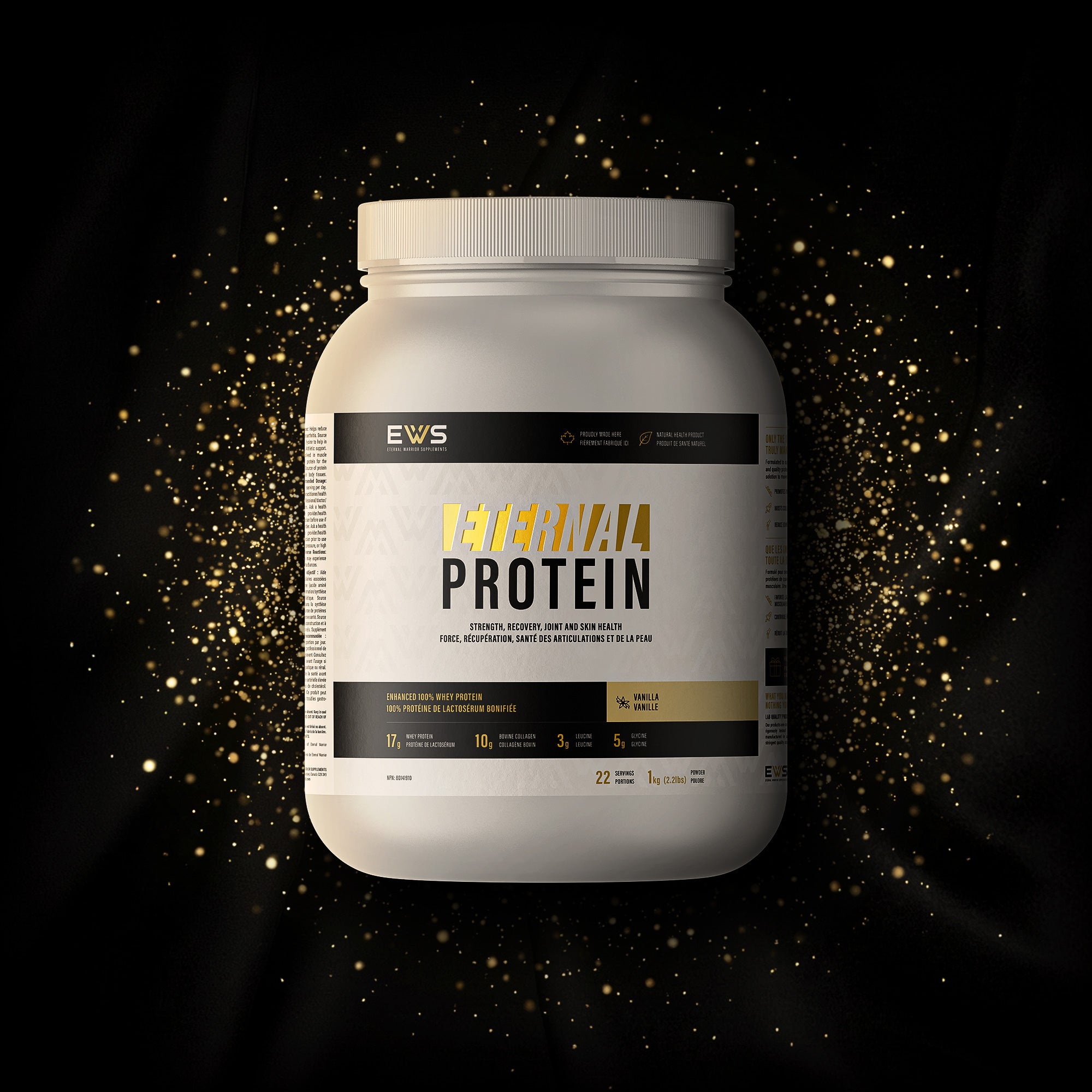
Protein powders can help increase daily protein intake.
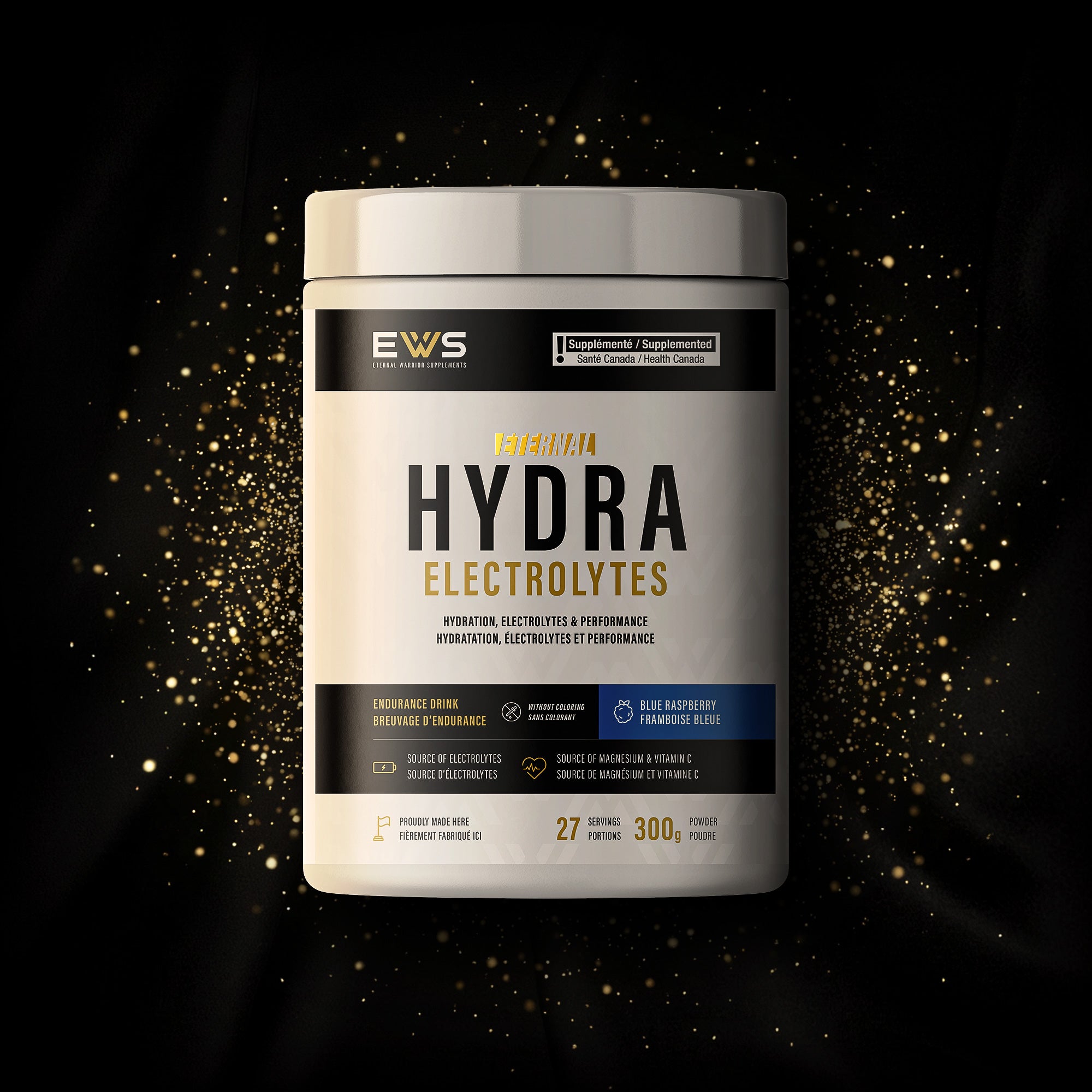
Electrolyte supplements may support hydration during periods of heavy sweating.
Other supplements may assist recovery depending on individual needs and training demands.
The key is remembering that supplements support recovery—they don’t replace it.
Key Takeaways
✓ Recovery becomes increasingly important after 40
✓ Training creates the stimulus; recovery drives adaptation
✓ Sleep remains the most powerful recovery tool available
✓ Adequate protein and hydration support muscle repair and performance
✓ More training is not always better
✓ Long-term progress depends on balancing stress and recovery
The Bottom Line
Turning 40 doesn’t mean you need to train less.
It means you need to recover better.
The adults who continue performing at a high level into their forties, fifties, and beyond aren’t necessarily the ones who train the hardest.
They’re often the ones who respect recovery the most.
Focus on quality sleep, adequate protein, hydration, and smart training practices.
Because the goal isn’t simply to train hard today.
It’s to stay strong, healthy, and active for decades to come.
Educational Disclaimer: The content shared by EWS is designed to educate and inform active adults about nutrition, supplementation, and healthy aging. It is not intended to diagnose, treat, cure, or prevent any disease, nor should it replace personalized medical advice. If you have a medical condition or specific health concerns, consult a qualified healthcare professional before implementing any nutritional or supplementation strategies discussed in this article.