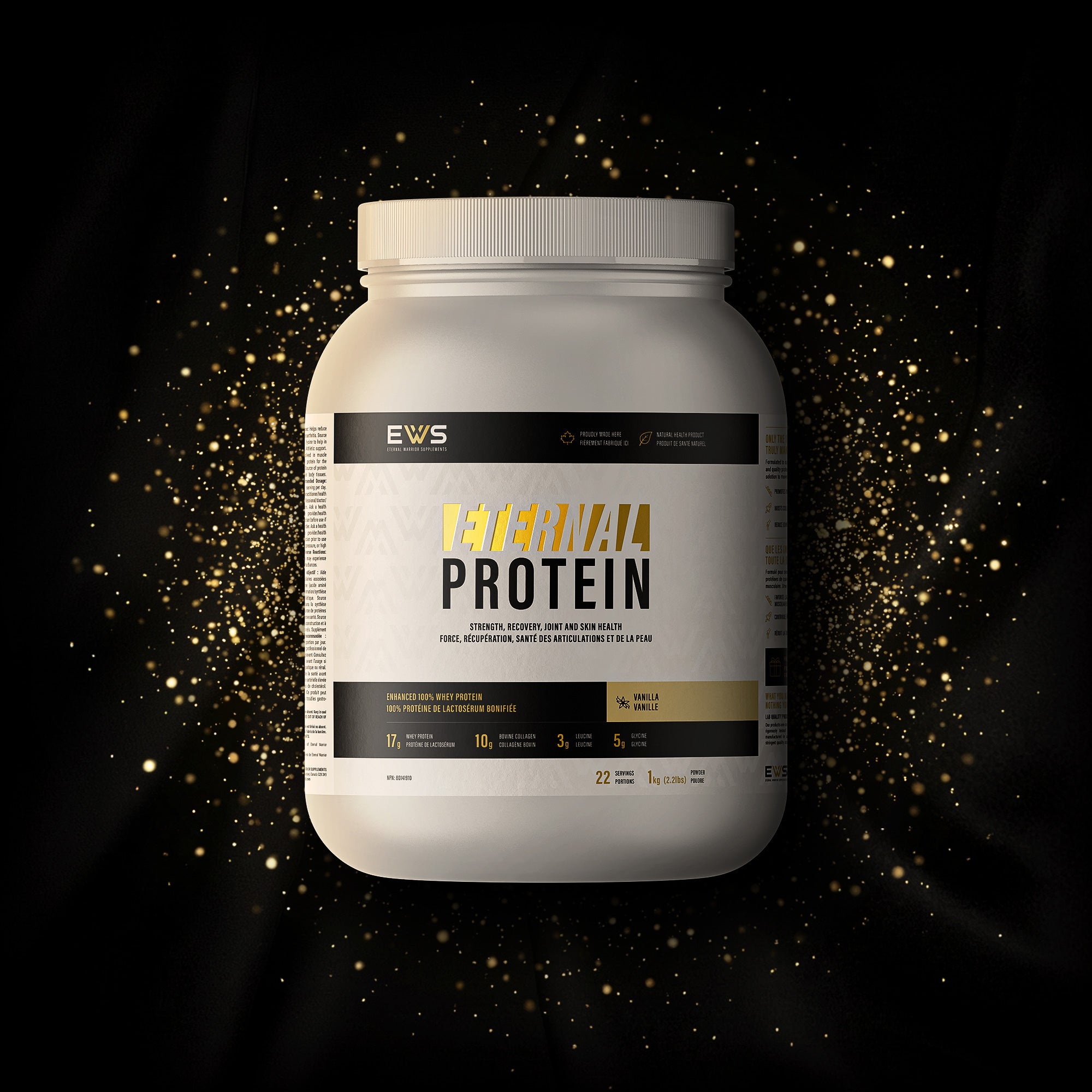

Protein has become one of the most talked-about topics in nutrition—and for good reason.
If you’re an active adult who trains several times per week, protein plays a critical role in your health, recovery, body composition, and long-term performance.
Yet despite its importance, many adults are still unsure how much they actually need.
Some believe they’re getting plenty through their regular meals. Others assume they need multiple protein shakes every day.
The truth usually falls somewhere in the middle.
Why Protein Matters More As We Age
Beginning in our thirties, our bodies gradually become less efficient at building and maintaining muscle tissue.
This natural process, often referred to as age-related muscle loss, doesn’t happen overnight. However, over the course of several decades, it can significantly impact strength, mobility, metabolism, and overall quality of life.
The good news is that regular resistance training and adequate protein intake can help offset much of this decline.
For active adults, protein isn’t just about building muscle.
It’s about preserving the muscle you’ve worked hard to earn.
It’s about recovering from workouts, supporting healthy aging, and maintaining the ability to stay active for years to come.
Are You Getting Enough?
Most people think they consume more protein than they actually do.
A typical breakfast consisting of toast, cereal, fruit, or a bagel may provide only 5-10 grams of protein.
A sandwich at lunch might provide another 20 grams.
By the time dinner arrives, many adults have consumed far less protein than they realize.
This becomes especially important for individuals who train three to four times per week and expect their nutrition to support recovery and performance.
A Practical Protein Target
For most healthy adults who exercise regularly, a good target is:
0.7 to 1.0 grams of protein per pound of goal bodyweight per day.
For example:
· Goal weight of 150 lbs = 105-150 grams per day
· Goal weight of 180 lbs = 125-180 grams per day
· Goal weight of 200 lbs = 140-200 grams per day
This range provides enough protein to support muscle maintenance, recovery, and overall health without requiring an extreme diet.
Rather than focusing on perfection, think of this range as a target zone.
Some days you’ll be closer to the lower end, while other days you’ll exceed it.
Consistency over time is what matters most.
Timing Matters More Than Most People Think
Many adults consume the majority of their protein at dinner.
The problem is that muscle recovery and repair occur throughout the day—not just in the evening.
A better approach is to distribute protein more evenly across your meals.
For example:
· Breakfast: 25-40 grams
· Lunch: 30-40 grams
· Dinner: 30-50 grams
· Snack or shake: 20-30 grams
This approach not only supports recovery but can also help improve satiety and reduce unnecessary snacking throughout the day.
Protein Sources Worth Prioritizing
Fortunately, hitting your protein target doesn’t require complicated meal plans.
Some of the best options include:
· Eggs
· Greek yogurt
· Cottage cheese
· Chicken and turkey
· Lean beef
· Fish and seafood
· Milk and dairy products
· Tofu and tempeh
· Protein powders
The goal isn’t to eat perfectly.
The goal is to consistently include a quality protein source whenever you eat.
What If You’re Busy?
For many adults, the challenge isn’t knowing what to eat.
It’s finding the time.
Between work, family responsibilities, children’s activities, and training sessions, convenience often becomes the deciding factor.
This is where preparation can make a significant difference.
Keeping protein-rich foods readily available—whether it’s cooked chicken, Greek yogurt, hard-boiled eggs, or a quality protein powder—can help bridge the gap between knowing what to do and actually doing it.
Sometimes the best nutritional choice is simply the one that’s available when life gets busy.
Do You Need Protein Supplements?
Not necessarily.
Many people can meet their daily needs through whole foods alone.
However, protein powders can be an effective and convenient tool for individuals who struggle to consistently hit their daily protein target.
A shake after training, with breakfast, or during a busy workday can help increase overall protein intake without requiring additional meal preparation.
Like all supplements, they work best when supporting an already solid nutritional foundation.
The Bottom Line
If you’re over 35 and training regularly, protein deserves more attention than most people give it.
Not because you’re trying to become a bodybuilder.
But because maintaining muscle, supporting recovery, and staying active for decades to come requires the right nutritional foundation.
Aiming for approximately 0.7 to 1.0 grams of protein per pound of goal bodyweight each day is a practical place to start.
Focus on including protein at every meal, spread it throughout the day, and prioritize consistency over perfection.
Your future self will thank you for it.
Quick Reference Protein Guide
|
Food |
Serving Size |
Approximate Protein |
|
Chicken Breast |
100 g (3.5 oz) |
31 g |
|
Lean Ground Beef |
100 g (3.5 oz) |
26 g |
|
Turkey Breast |
100 g (3.5 oz) |
29 g |
|
Salmon |
100 g (3.5 oz) |
22 g |
|
Tuna |
100 g (3.5 oz) |
25 g |
|
Eggs |
2 large eggs |
12 g |
|
Egg Whites |
250 mL (1 cup) |
26 g |
|
Greek Yogurt (0-2%) |
175 g container |
17-20 g |
|
Cottage Cheese |
250 mL (1 cup) |
25-28 g |
|
Milk |
250 mL (1 cup) |
8 g |
|
Cheddar Cheese |
30 g (1 oz) |
7 g |
|
Tofu (Firm) |
100 g |
13-15 g |
|
Edamame |
250 mL (1 cup) |
17 g |
|
Lentils (Cooked) |
250 mL (1 cup) |
18 g |
|
Black Beans (Cooked) |
250 mL (1 cup) |
15 g |
|
1 scoop |
~25 g |
|
|
1 scoop |
~31 g |
|
|
1 scoop |
~27 g |
What does a 150g of Protein looks like?
|
Meal |
Protein |
|
Breakfast: 3 eggs + Greek yogurt |
35 g |
|
Lunch: Chicken breast and rice |
40 g |
|
Afternoon Shake |
25 g |
|
Dinner: Salmon, potatoes and vegetables |
35 g |
|
Evening Snack: Cottage cheese |
20 g |
|
Daily Total |
155 g |
Educational Disclaimer: The content shared by EWS is designed to educate and inform active adults about nutrition, supplementation, and healthy aging. It is not intended to diagnose, treat, cure, or prevent any disease, nor should it replace personalized medical advice. If you have a medical condition or specific health concerns, consult a qualified healthcare professional before implementing any nutritional or supplementation strategies discussed in this article.