
For many active adults, breakfast is the most neglected meal of the day.
Mornings are busy. There are lunches to prepare, kids to get ready, emails to answer, and commutes to manage. It’s no surprise that many people grab whatever is convenient and move on with their day.
The problem is that convenience often comes at the expense of protein.
A bagel, a bowl of cereal, or a couple slices of toast may provide plenty of carbohydrates, but very little protein. By the time lunch arrives, many adults have already missed a valuable opportunity to support recovery, muscle maintenance, and appetite control.
If you’re over 35 and training several times per week, breakfast is one of the easiest places to improve your nutrition.
Why Protein at Breakfast Matters
Protein does more than help build muscle.
It helps support recovery from training, promotes satiety, and can make it easier to stay on track with your nutrition throughout the day.
Many people consume most of their daily protein at dinner. While dinner is certainly important, spreading protein intake more evenly throughout the day appears to be a more effective strategy for supporting muscle maintenance and recovery.
Starting the day with 25-40 grams of protein can help you make meaningful progress toward your daily target before life gets busy.
What Does a High-Protein Breakfast Look Like?
A good breakfast doesn’t need to be complicated.
In most cases, simply combining a quality protein source with a fruit and a carbohydrate source creates a balanced meal that supports both health and performance.
Think:
· Protein
· Produce
· Energy
Simple wins.
10 High-Protein Breakfast Ideas
1. Greek Yogurt Bowl
· 1 large Greek yogurt
· Mixed berries
· Granola
Approximate protein: 20-30 g
2. Eggs and Toast
· 3 whole eggs
· Whole grain toast
· Fruit on the side
Approximate protein: 20-25 g
3. Protein Smoothie
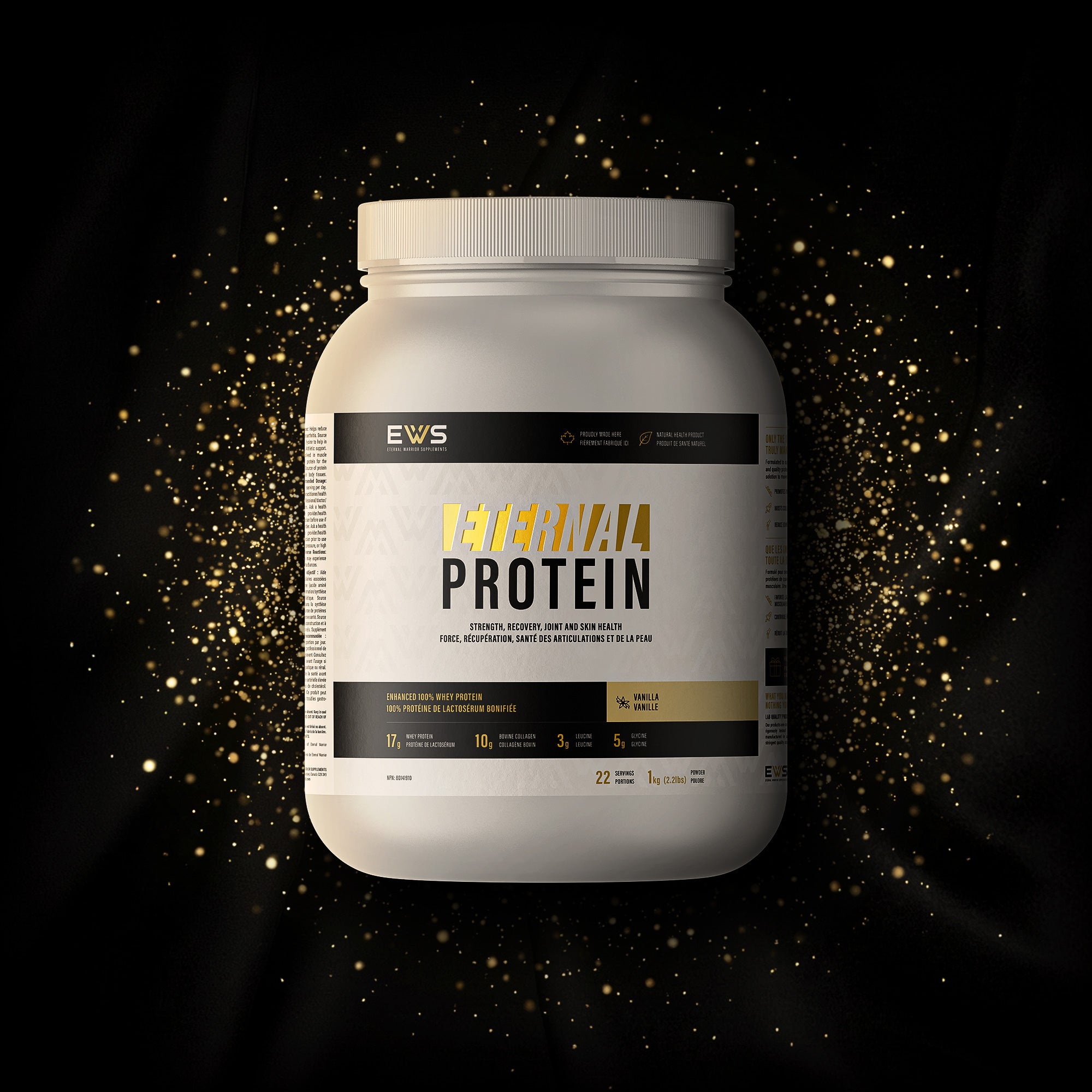
· EWS Protein powder (Anabolic or ISO)
· Frozen fruit
· Milk or Greek yogurt
· Oats
Approximate protein: 30-40 g
Perfect for busy mornings.
4. Overnight Oats
· Oats
· Greek yogurt
· Chia seeds
· EWS Protein powder (Anabolic or ISO)
Approximate protein: 25-35 g
Prepared the night before.
5. Breakfast Sandwich
· Eggs
· Cheese
· Turkey or ham
· English muffin
Approximate protein: 25-35 g
6. Cottage Cheese Bowl
· Cottage cheese
· Fruit
· Nuts
Approximate protein: 25-30 g
7. Egg White and Veggie Omelet
· Egg whites
· Whole eggs
· Vegetables
· Cheese
Approximate protein: 30-40 g
8. Protein Pancakes
· Oats
· Eggs
· EWS Protein powder (Anabolic or ISO)
Approximate protein: 25-35 g
9. Smoked Salmon and Toast
· Smoked salmon
· Whole grain toast
· Fruit
Approximate protein: 25-30 g
10. High-Protein Breakfast Wrap
· Eggs
· Lean meat
· Cheese
· Tortilla
Approximate protein: 30-40 g
The Breakfast Mistake Most People Make
Many adults believe they’re eating a healthy breakfast.
And they might be.
The issue is that healthy doesn’t always mean protein-rich.
For example:
· Oatmeal alone
· Toast and peanut butter
· Cereal and milk
· Muffins
· Fruit smoothies
These options can certainly fit into a healthy diet, but they often fall short on protein.
Rather than eliminating these foods, consider adding a protein source alongside them.
Small adjustments can make a significant difference.
What If You’re Not Hungry in the Morning?
This is extremely common.
If eating a large breakfast feels difficult, start small.
A Greek yogurt, a protein shake, or a couple eggs may be enough initially.
The goal isn’t to force-feed yourself.
The goal is to create a habit that helps support your daily protein intake.
Consistency matters more than perfection.
When Supplements Can Help
There will be mornings when preparing a full breakfast simply isn’t realistic.
That’s where convenience matters.
A quality protein powder can help increase protein intake when time is limited and can easily be added to smoothies, overnight oats, or consumed on its own.
Whole foods should always form the foundation of your nutrition, but practical tools can make consistency easier.
Key Takeaways
✓ Aim for 25-40 grams of protein at breakfast
✓ Prioritize protein before adding extras
✓ Combine protein, produce, and carbohydrates for a balanced meal
✓ Prepare convenient options ahead of time
✓ Consistency beats perfection
The Bottom Line
If you’re trying to improve your nutrition, recovery, and long-term health, breakfast is one of the easiest places to start.
You don’t need elaborate recipes or complicated meal plans.
You simply need a reliable source of protein that fits your lifestyle.
Whether it’s eggs, Greek yogurt, cottage cheese, a smoothie, or a quick breakfast wrap, making protein a priority in the morning can help set the tone for the rest of the day.
And for active adults over 35, those small daily habits can add up to meaningful results over time.
Educational Disclaimer: The content shared by EWS is designed to educate and inform active adults about nutrition, supplementation, and healthy aging. It is not intended to diagnose, treat, cure, or prevent any disease, nor should it replace personalized medical advice. If you have a medical condition or specific health concerns, consult a qualified healthcare professional before implementing any nutritional or supplementation strategies discussed in this article.