By Christian Thibaudeau
The kid came barreling into the gym one wet, gray evening, the kind of evening that makes sane men stay home. Cold air sneaked in through the door, leaves blew around like somebody had lost control of a leaf blower, and there was just enough rain to make your bones ache.
But lifters aren’t sensible men. Not the good ones. Not the ones who grow. The kid had fire in his belly, and weather didn’t mean a thing.
He’d been under Coach Christian Thibaudeau for a while, and the results showed plain as day. His legs were as thick as a dock piling, his chest looked like it was carved from old lumber, and his forearms had that tight, coiled look you see on men who spend their days hauling heavy things. He had been training hard, eating harder, and growing faster than weeds in July.
He’d done it the way the old-timers preached: the big lifts, plenty of food, plenty of rest. Squats, presses, deadlifts, rows, the whole works. He hadn’t wasted time on fancy tricks or 47 kinds of curls. He’d pushed iron until his ears rang, shoveled food down like coal into a furnace, and slept like a rock.
And he grew.
By God, did he grow.
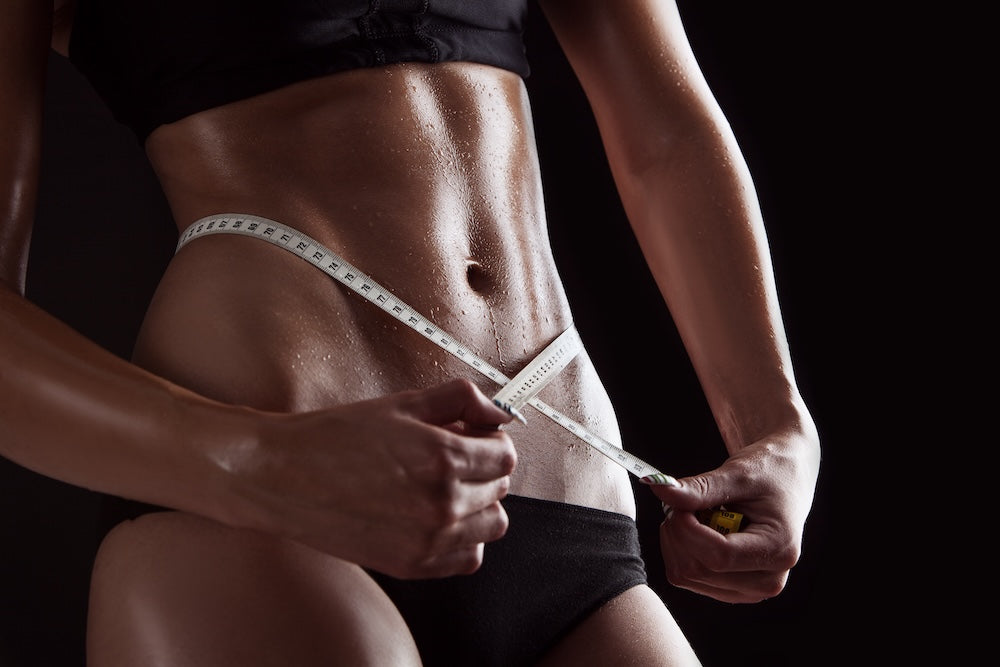
But now the kid had another itch. He wanted to see what was under all that size. He wanted the cuts. He wanted the kind of look that makes people stop mid-sentence when you take your shirt off in the summer. He wanted to look like a statue carved out of granite.
So he went to his coach.
The Plan
Thibaudeau didn’t waste much time with nonsense. He laid out the plan the way a general lays out a campaign.
- Keep the big basics. They built the house, and they’d keep the house standing.
- EWS Eternal Protein at 1.25 grams per pound of bodyweight. No excuses, no cheating, no “but I don’t like chicken.”
- Carbs and fats cut down, not slashed, just enough to tilt the scale into a deficit.
- Loaded carries. Farmer’s walks, yoke walks, heavy carries that make your traps scream for mercy.
- Zone 2 cardio. Not to turn him into a marathoner, just enough to burn off the edges and keep the engine humming.
It was simple, brutal, and effective. Just like good training plans always are.
The boy nodded. He was ready to start the next morning.
But Thibaudeau wasn’t finished. He leaned forward, raised a finger, and gave him the look every trainee knows—the look that says “sit still and listen or you’re going to regret it.”
“Before you jump into this,” he said, “there are a few things you need to understand. Otherwise, you’re going to lose your head halfway through and throw the whole plan in the trash. Listen close.”
Lesson One: The Fat and Flat Stage
“You’re going to look worse before you look better,” Thibaudeau said.
The kid blinked.
“When you cut food and especially carbs, you’re going to deflate. You’ll lose glycogen, you’ll lose water, and you’ll lose some fat. But you won’t look lean yet. Your muscles won’t pop. Your shirts will hang looser. You’ll feel like a balloon somebody let half the air out of. That’s the fat and flat stage.”
The boy shifted in his chair.
“You’ve got to expect it,” the coach said. “Otherwise, it’ll kill your motivation. You’ll think you’re shrinking, you’ll think you’re losing muscle, and you’ll panic. But it’s just part of the road. Ride it out, and you’ll come out the other side sharper than a knife.”
Lesson Two: You’ll Need to Lose More Weight Than You Think
“Second,” Thibaudeau said, “you’re going to have to lose more weight than you think. Everybody underestimates it. You figure you need to drop 15 pounds. Truth is, you probably need to drop 25.”
The boy frowned.
“That’s because for every pound of fat you lose, you’ll drop about half a pound of something else—glycogen, water, food sitting in your gut. It’s all part of the game. Don’t fool yourself. Don’t stop halfway and think you’re done. You’re not.”
Lesson Three: The Tyranny of the Scale
“Third,” the coach said, “the scale will mess with your head. You’ve been chasing numbers both in the gym and on the scale. You hit 200 and strutted like a rooster. Now you’re going to crawl back down. Maybe 188, maybe 185. You’ll feel like less of a man.”
The boy nodded grimly.
“Forget the number,” Thibaudeau barked. “The mirror is the only scale that matters. I looked my best at 188, and I’d been 230 and fairly lean. Don’t let a hunk of steel and springs in your bathroom decide your worth.”
Lesson Four: Looking Smaller in Clothes
“Fourth,” the coach said, “you’re going to look smaller in clothes. You’ll lose the fat, the water, the puff that filled you out. Your shirts won’t stretch the same. People might even ask if you quit training.”
The boy’s eyes widened.
“You’ll look terrific shirtless,” Thibaudeau grinned. “That’s the payoff. Don’t let a cotton T-shirt tell you how big you are.”
Lesson Five: The Strength Slip
“Fifth,” the coach said, “your strength might dip, especially on pressing. Fat and water made your joints tighter, more stable. When you lose them, your body feels less secure. You might lose a rep or two. That doesn’t mean you’re losing muscle.”
Lesson Six: No Muscle Loss—If You Do It Right
“Sixth,” the coach said, “you won’t lose muscle if you train smart. Keep the weights heavy. Avoid marathon cardio. Don’t cut calories like a fool. Keep your protein high. Do that, and you’ll hold onto your size. You’ll feel smaller, but you won’t be smaller.”
Lesson Seven: The Importance of an End Date
“Seventh,” the coach said, “set an end date. If you leave it open-ended, you’ll start fooling yourself. Cheat meals here, snacks there. You’ll promise yourself you’ll just extend the phase. Before you know it, you’re back at square one. Put a date on the calendar. Stick to it.”
Lesson Eight: The Final Word
“Finally,” Thibaudeau said, “none of this is to scare you. I’m telling you so you won’t be blindsided. Every one of these things can knock you off course if you’re not prepared. But if you expect them, you’ll keep your head. And if you keep your head, you’ll finish the job.”
The boy sat back. His jaw was set. His eyes had that look you only see in men about to do something hard and mean it.
Thibaudeau clapped him on the shoulder. “Now go do the work.
The Days in the Trenches
The fat loss phase started the next morning, and the gym took on a different feel. The weights were the same. The sets were the same. The sweat was the same. But the hunger was new.
The boy learned what it meant to carry plates across the floor when your belly wasn’t stuffed with food. He learned how a heavy squat feels when the glycogen isn’t there to pad the blow. He learned that the iron doesn’t care if you’re dieting—it always wants its price in blood and effort.
He also learned about the mirror. Some mornings he’d look smaller, flatter, weaker. His shirts sagged. His face thinned out. His veins played hide-and-seek. He swore he was losing muscle. But Thibaudeau just grinned.
“That’s the illusion,” the coach said. “Stay the course.”
Loaded Carries and Zone 2
The carries were killers. Farmer’s walks with heavy dumbbells. Trap bar carries until his lungs burned. Yoke walks that made his legs quake.
The Zone 2 cardio was a different sort of pain. Not the sprint-until-you-drop kind, but the grind. The long, slow burn that wore him down in a different way. He hated it at first. But he learned to love the rhythm, the breathing, the steady drip of sweat.
Bit by bit, the fat peeled away.
The Psychological Battle
The hardest part wasn’t the hunger or the training. It was the head games.
The scale mocked him. The clothes lied to him. The mirror whispered that he was shrinking. The weights sometimes betrayed him.
But the coach’s words stuck.
“You’re not losing muscle. You’re just in the fat and flat stage. Trust the process.”
So he pushed on.
The End Date
The deadline circled on the calendar like a bull’s-eye. As the weeks ticked by, the boy got sharper. His jawline cut deeper. His abs started to show. Veins crawled across his arms like blue lightning.
He didn’t stop early. He didn’t fool around. He rode it straight into the wall.
And when the end date came, he looked in the mirror and finally saw it—the statue under the clay.
The Payoff
He didn’t weigh what he thought he’d weigh. He weighed less. He didn’t look as big in clothes. He looked smaller. Some people even asked if he’d stopped training.
But shirtless, he looked like a weapon. Every line, every cut, every ridge stood out like it was carved by hand.
And he knew it was worth it.
The Moral
There’s a lesson in all this. Fat loss isn’t just about diet and training. It’s about psychology. It’s about knowing the traps and walking past them.
You’ll look worse before you look better. You’ll need to lose more than you think. The scale will mock you. Your clothes will lie to you. Your strength may dip. But none of it means failure—unless you let it.
Set an end date. Trust the plan. Stay the course.
That’s how you finish the job.