
Protein has earned its reputation as one of the most important nutrients for active adults—and for good reason.
It helps maintain muscle, supports recovery after training, keeps you feeling full longer, and becomes increasingly important as we age.
But knowing that protein is important is one thing.
Actually, eating enough of it every day is another.
For many people, the challenge isn't motivation.
It's practicality.
Between work, family responsibilities, kids' activities, and training sessions, nutrition has to fit real life.
The good news?
Building a high-protein diet doesn't require complicated meal plans or spending hours in the kitchen.
It simply requires a few smart habits.
Start With Your Daily Protein Target
Before worrying about individual meals, it's helpful to know your overall goal.
For most active adults who train several times per week, a practical target is:
0.7 to 1.0 grams of protein per pound of goal bodyweight per day.
For example:
|
Goal Bodyweight |
Daily Protein Target |
|
150 lbs |
105–150 g |
|
180 lbs |
125–180 g |
|
200 lbs |
140–200 g |
Don't worry about hitting the exact number every day.
Think of it as a range rather than a rule.
Consistency matters far more than perfection.
Think in Meals, Not Grams
One mistake people make is trying to reach their protein target at the end of the day.
Instead, divide it across your meals.
A simple approach looks like this:
|
Meal |
Protein Goal |
|
Breakfast |
25–35 g |
|
Lunch |
30–40 g |
|
Dinner |
30–40 g |
|
Snack |
20–30 g |
Suddenly, reaching 130–150 grams becomes much more manageable.
Every meal becomes another opportunity rather than a race to catch up at dinner.
Build Every Meal the Same Way
Instead of memorizing dozens of recipes, follow one simple template.
Every meal should include:
🥩 A protein source
🥦 A fruit or vegetable
🍚 A carbohydrate that matches your activity level
For example:
• Chicken, rice, broccoli
• Salmon, potatoes, asparagus
• Greek yogurt, berries, granola
• Eggs, toast, fruit
Simple meals are easier to prepare, easier to repeat, and easier for the entire family to enjoy.
Keep Protein Convenient
Busy adults rarely make poor food choices because they don't know what to eat.
They make poor choices because healthy options aren't immediately available.
That's why convenience matters.
Keep foods like these on hand:
- Greek yogurt
- Cottage cheese
- Eggs
- Rotisserie chicken
- Cooked chicken breast
- Canned tuna or salmon
- Lean deli turkey
- Frozen shrimp
- Protein powder
The easier protein is to grab, the more consistently you'll eat it.
Don't Skip Breakfast
Many adults start the day with toast, cereal, or coffee.
Hours later, they're already behind on protein.
A better goal is to consume 25–35 grams at breakfast.
That could look like:
- Three eggs with Greek yogurt
- A protein smoothie
- Cottage cheese with fruit
- Overnight oats made with protein powder
- High-protein pancakes
Starting strong makes the rest of the day much easier.
Learn to "Protein First"
Before deciding what else goes on your plate, ask yourself one question:
"Where is my protein coming from?"
Once that's answered, adding vegetables and carbohydrates becomes simple.
This one habit alone can dramatically improve the quality of your nutrition without counting every calorie.
Make Snacks Work for You
Snacking isn't the problem.
Low-protein snacks are.
Instead of reaching for crackers or cookies every afternoon, choose snacks that help you reach your daily goal.
Some easy options include:
- Greek yogurt
- Cottage cheese
- Beef jerky
- Hard-boiled eggs
- Cheese
- Protein shake
- High-protein energy balls
- Roasted edamame
A snack that provides 20 grams of protein can make your dinner much less stressful.
Meal Prep Doesn't Have to Mean Sunday
When people hear "meal prep," they often picture spending four hours cooking on Sunday.
It doesn't have to be that way.
Instead, prepare a few protein staples.
Cook extra chicken at dinner.
Boil a dozen eggs.
Buy pre-cooked grilled chicken.
Keep frozen fish in the freezer.
Stock Greek yogurt in the fridge.
Small preparation saves countless decisions during busy weeks.
Where Supplements Fit
Whole foods should always form the foundation of a high-protein diet.
But life isn't always predictable.
Some mornings are rushed.
Some lunches happen between meetings.
Some workouts finish late in the evening.
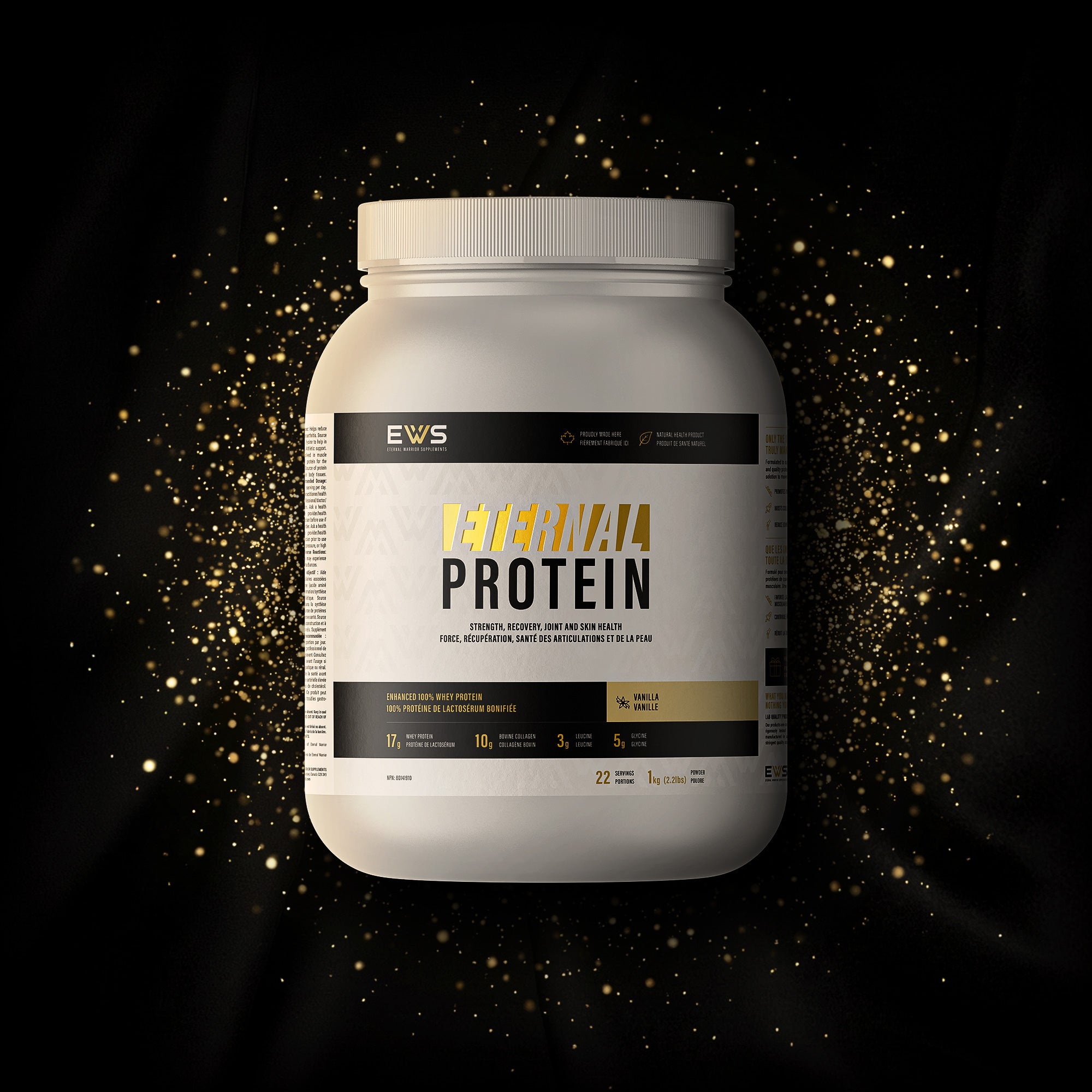
A quality protein powder can help bridge those gaps and make it easier to consistently reach your daily target.
Think of supplements as convenient tools—not replacements for real food.
Key Takeaways
✓ Aim for 0.7–1.0 g of protein per pound of goal bodyweight
✓ Spread protein across every meal
✓ Build meals around protein first
✓ Keep high-protein foods readily available
✓ Choose protein-rich snacks
✓ Prepare simple staples ahead of time
✓ Focus on consistency instead of perfection
A Simple Day of Eating (≈150 g Protein)
|
Meal |
Example |
Protein |
|
Breakfast |
3 eggs + Greek yogurt + berries |
35 g |
|
Morning Snack |
Cottage cheese |
25 g |
|
Lunch |
Chicken breast, rice & vegetables |
40 g |
|
Afternoon Snack |
High-protein energy balls |
15 g |
|
Dinner |
Salmon, potatoes & vegetables |
35 g |
|
Daily Total |
150 g |
Notice that nothing here is extreme.
No complicated recipes.
No restrictive foods.
No hours spent cooking.
Just simple, repeatable meals that fit into a busy lifestyle.
The Bottom Line
Eating more protein doesn't have to mean eating like a bodybuilder.
It means making protein a priority whenever you eat.
Choose simple meals.
Keep convenient options available.
Spread your intake throughout the day.
And remember that consistency will always outperform perfection.
If you can make protein a habit rather than a challenge, you'll be supporting your recovery, preserving lean muscle, and building a nutritional foundation that serves you well for years to come.
Educational Disclaimer: The content shared by EWS is designed to educate and inform active adults about nutrition, supplementation, and healthy aging. It is not intended to diagnose, treat, cure, or prevent any disease, nor should it replace personalized medical advice. If you have a medical condition or specific health concerns, consult a qualified healthcare professional before implementing any nutritional or supplementation strategies discussed in this article.
Resource 1 – Ultimate High-Protein Food Reference Table
|
Food |
Serving |
Protein |
|
Chicken breast |
100 g |
31 g |
|
Turkey breast |
100 g |
29 g |
|
Lean beef |
100 g |
26 g |
|
Salmon |
100 g |
22 g |
|
Tuna |
100 g |
25 g |
|
Shrimp |
100 g |
24 g |
|
Eggs |
2 large |
12 g |
|
Egg whites |
1 cup |
26 g |
|
Greek yogurt |
175 g |
18–20 g |
|
Cottage cheese |
1 cup |
25–28 g |
|
Milk |
1 cup |
8 g |
|
Firm tofu |
100 g |
14 g |
|
Edamame |
1 cup |
17 g |
|
Lentils cooked |
1 cup |
18 g |
|
Black beans |
1 cup |
15 g |
|
Protein powder |
1 scoop |
24–30 g |
|
High-protein energy balls |
2 balls |
14 g |
Resource 2 – 7-Day High-Protein Meal Plan for Busy Adults
|
Day |
Breakfast |
Lunch |
Dinner |
Snack |
Protein |
|
Monday |
Greek yogurt + berries |
Chicken rice bowl |
Salmon, potatoes & vegetables |
Cottage cheese |
≈145 g |
|
Tuesday |
3 eggs + toast |
Turkey wrap |
Lean beef stir-fry |
Protein shake |
≈150 g |
|
Wednesday |
Protein smoothie |
Chicken salad |
Cod & rice |
Greek yogurt |
≈145 g |
|
Thursday |
Overnight oats + protein |
Tuna sandwich |
Chicken fajitas |
Energy balls |
≈150 g |
|
Friday |
Cottage cheese bowl |
Beef & potatoes |
Shrimp pasta |
Protein shake |
≈150 g |
|
Saturday |
Protein pancakes |
Turkey chili |
Grilled steak |
Greek yogurt |
≈155 g |
|
Sunday |
Egg omelet |
Salmon bowl |
Roast chicken |
Cottage cheese |
≈150 g |